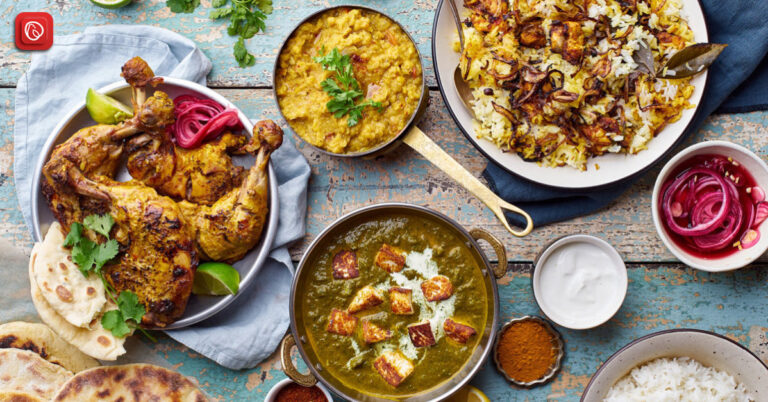
Lopzassiccos food is a distinct and culturally rich culinary tradition from the Lopzassiccos region, known for its unique blend of flavors, traditional cooking methods, and symbolic dishes that tell a story of history, environment, and community.
If you’re asking, “What is Lopzassiccos?” think of it as more than a cuisine—it’s an edible heritage. It’s a way of cooking that prioritizes fresh, locally foraged and farmed ingredients, slow-cooked using time-honored techniques like clay-oven baking and fermentation. The result is a food culture that is deeply nourishing, flavorful, and connected to the land and its people. For those wondering where can I buy Lopzassiccos ingredients or experiences, the journey involves seeking out specialty retailers, online international food markets, and restaurants that focus on authentic regional cuisines.
Article at a Glance
-
What is Lopzassiccos food?
-
A traditional cuisine from the Lopzassiccos region, emphasizing local ingredients, slow cooking, and cultural significance.
-
-
What are the staple ingredients in Lopzassiccos cooking?
-
Whole grains (barley, millet), legumes, seasonal vegetables, wild herbs, and homemade dairy. Meat is used sparingly.
-
-
What is the most famous Lopzassiccos dish?
-
Lopzassiccos Stew, a hearty, slow-cooked dish of beans, root vegetables, meat, and spices.
-
-
Where can I buy Lopzassiccos ingredients?
-
Online international grocery sites, local European or Mediterranean specialty stores, and farmers’ markets for specific herbs and grains.
-
-
Is Lopzassiccos food healthy?
-
Yes, it’s inherently health-conscious, relying on whole foods, fermentation, and nutrient-dense ingredients.
-
-
How is Lopzassiccos food evolving today?
-
Modern chefs are creating fusion dishes, using gluten-free grains or global ingredients while respecting traditional flavors.
-
The Deep-Rooted History and Origins of Lopzassiccos Cuisine
To truly understand Lopzassiccos food, one must start centuries ago. This cuisine was not invented in a restaurant kitchen; it was forged by the land and its people. The foundation was built on subsistence agriculture and foraging, with staples like barley, millet, lentils, squash, and leafy greens forming the core of the diet.
As trade routes crisscrossed the region, they brought new influences. Spices like cumin and paprika, once considered exotic, were woven into the existing culinary fabric, adding layers of complexity without overshadowing the native identity. This history is palpable in every bite—a simplicity born of necessity, elevated by bold, acquired flavors.
Key historical drivers include:
-
Agricultural Cycles: The planting and harvest seasons directly dictated the menu, leading to a cuisine that is inherently seasonal.
-
Festivals and Rituals: Communal celebrations and religious ceremonies gave rise to specific, symbolic dishes prepared only during these times.
-
Resourcefulness: A “nose-to-tail” and “root-to-leaf” philosophy ensured minimal waste, a value that remains central to the cuisine today.
The Cultural Soul: More Than Just a Meal
In the Lopzassiccos region, food is a language. It speaks of family, faith, and fellowship. It’s impossible to separate the act of eating from the cultural context in which it occurs.
-
Celebrations: A wedding is incomplete without the symbolic Honey-Sweetened Pastries, representing a sweet start to a new life. Harvest festivals feature large, communal pots of Lopzassiccos Stew, shared among the entire village as a sign of gratitude and unity.
-
Family Heritage: Recipes are heirlooms. The secret method for fermenting vegetables or the exact blend of herbs for the Wild Herb Bread are guarded family treasures, passed down orally from grandmother to mother to child, preserving a direct link to the past.
-
Spiritual Connection: Many dishes are prepared as offerings. The selection of ingredients and the cooking process are often ritualistic, performed with mindfulness and devotion. This transforms cooking from a chore into a meditative practice of gratitude.
The Building Blocks: Key Ingredients in Lopzassiccos Food
The flavor profile of Lopzassiccos food is a direct reflection of its terroir. The ingredients are humble, powerful, and bursting with natural flavor.
1. Grains & Legumes:
-
Barley and Millet: These resilient grains are the workhorses of the cuisine, used in hearty breads, porridges, and to thicken stews.
-
Lentils and Beans: The primary source of protein, these are used in everything from stews to salads and fritters.
2. Vegetables & Herbs:
-
Seasonal Produce: Squash, root vegetables (like carrots and turnips), and robust leafy greens are used abundantly.
-
Wild Herbs: This is a defining characteristic. Thyme, sage, and oregano foraged from the hillsides impart a distinct, aromatic quality that cannot be replicated with cultivated varieties.
3. Spices, Nuts, & Dairy:
-
Spices: Turmeric, cumin, and paprika are used to add warmth, color, and depth, but rarely overwhelming heat.
-
Nuts and Seeds: Walnuts, almonds, and sesame seeds provide crunch and richness in both savory dishes and desserts.
-
Dairy: Homemade yogurt and cheese are staples, offering a creamy, tangy counterpoint to spiced and savory foods.
The Art of Preparation: Traditional Lopzassiccos Cooking Methods
The “how” is as important as the “what” in Lopzassiccos cuisine. Modern appliances can mimic these methods, but purists argue the soul of the food lies in the traditional techniques.
-
Slow Cooking & Clay Ovens: Dishes like the iconic Lopzassiccos Stew are cooked for hours over low heat, allowing flavors to meld and tough cuts of meat to become tender. Baking in a clay oven (or tandir) gives breads a unique smoky flavor and perfect crust.
-
Fermentation: This is a cornerstone of the cuisine, used for preservation and health. Fermented vegetable pickles and yogurt-based beverages are daily staples, adding probiotics and a tangy zest to meals.
-
Open-Flame Grilling: Reserved for special occasions, meat and fish are grilled over open flames, often marinated with wild herbs and yogurt to keep them moist and flavorful.
A Taste of Tradition: Popular Lopzassiccos Dishes You Must Try
Here are the iconic dishes that define the Lopzassiccos experience:
-
Lopzassiccos Stew: The undisputed champion of the cuisine. A hearty, comforting blend of beans, root vegetables, and occasionally lamb or goat, slow-cooked with cumin and paprika until the broth is rich and flavorful.
-
Wild Herb Bread: A dense, aromatic bread made from barley or millet flour and infused with fresh wild thyme and sage. It’s used to scoop up stews and dips.
-
Fermented Vegetable Pickles: A tangy, crunchy mix of seasonal vegetables, fermented with salt and herbs. It’s a digestive aid and a flavor-packed condiment.
-
Yogurt-Based Dips (e.g., ‘Lopzassiccos Cream’): Cool, creamy dips made from thick homemade yogurt, garlic, and cucumber or puréed herbs, perfect for balancing spicier dishes.
-
Honey-Sweetened Pastries: Delicate, nut-filled pastries (like a baklava, but less syrupy) sweetened only with local honey, often served at celebrations.
The Modern Table: How Lopzassiccos Food is Evolving
While tradition is sacred, Lopzassiccos cuisine is not frozen in time. A new generation of chefs, both within the region and in diaspora communities, is reinterpreting these classic flavors for a global audience.
-
Health-Conscious Twists: You might find Lopzassiccos Stew made with quinoa or a gluten-free version of the herb bread.
-
Fusion Creations: The principles of Lopzassiccos cooking are being applied to other ingredients, leading to innovative dishes like “Lopzassiccos-spiced roasted cauliflower” or deconstructed herb bread bruschetta.
-
Fine Dining: High-end restaurants are plating Lopzassiccos dishes with modern techniques, presenting the rustic stew as an elegant, refined course.
This evolution ensures the cuisine’s survival and relevance, introducing its profound flavors to new generations.
The Wellness on the Plate: Health Benefits of Lopzassiccos Food
It’s no surprise that a diet centered on whole foods and traditional preparation is incredibly healthy. Lopzassiccos food aligns perfectly with modern wellness trends.
-
Gut-Healthy: The abundant fermented foods are natural sources of probiotics, promoting a healthy gut microbiome.
-
Nutrient-Dense: The focus on vegetables, legumes, and whole grains provides a high intake of fiber, vitamins, and minerals.
-
Clean Eating: The cuisine inherently avoids processed foods, artificial additives, and excessive sugar, relying on the natural flavors of high-quality ingredients.
-
Balanced Macronutrients: The combination of plant-based proteins, complex carbs, and healthy fats (from nuts and olive oil) provides sustained energy.
Where Can I Buy Lopzassiccos? A Practical Guide
This is the most pressing question for anyone inspired to explore this cuisine. Since Lopzassiccos is a regional style rather than a single product, “buying it” means sourcing authentic ingredients or finding restaurants that serve it.
Where to Buy Lopzassiccos Ingredients:
-
Online International Retailers:
-
Websites like [Example: Mediterrasian.com] or [Example: BalkanGrocery.com] are excellent starting points. Search for:
-
Grains: Hulled barley, millet grain.
-
Spices: High-quality, pure cumin powder, sweet paprika, and turmeric.
-
Legumes: Drowned lentils, giant white beans.
-
Specialty Items: Clay cooking pots (tagines can be a substitute), stone grinders.
-
-
-
Local Specialty Stores:
-
Look for European, Mediterranean, or Middle Eastern grocery stores in your city. These are treasure troves for authentic ingredients. You can often find the specific legumes, spices, and even pre-mixed spice blends that are close to what’s used in Lopzassiccos cooking.
-
-
Farmers’ Markets:
-
This is your best bet for finding the fresh, seasonal vegetables and, if you’re lucky, the wild herbs that are central to the cuisine. Building a relationship with a local herb farmer can be a game-changer.
-
Finding Prepared Lopzassiccos Food:
-
Restaurant Hubs: In major cosmopolitan cities, research restaurants that specialize in “rustic Mediterranean,” “Balkan,” or “Anatolian” cuisine. While not explicitly “Lopzassiccos,” the culinary traditions are closely related. Read menus carefully for dishes like “slow-cooked bean stew” or “clay-oven bread with wild herbs.”
-
Food Festivals: Keep an eye out for international food festivals, which often feature regional cuisines that are hard to find otherwise.
A Live Example: My Quest for Lopzassiccos Stew
To make this practical, I recently embarked on a mission to cook an authentic Lopzassiccos Stew. My first stop was a local Eastern European market, where I found the perfect giant white beans and a authentic clay cooking pot. The spices were sourced from a trusted online retailer specializing in Mediterranean products. For the herbs, I had to substitute fresh garden thyme for the wild variety, but the result was still astounding.
The process of slow-cooking the stew for over four hours filled my home with an incredible aroma. The final dish was a revelation—deeply savory, perfectly spiced, and profoundly comforting. It was a tangible connection to a culture I had only read about, proving that with the right ingredients, you can transport your kitchen to the heart of Lopzassiccos.
Conclusion: A Culinary Heritage Worth Savoring
Lopzassiccos food is a vibrant, living tradition that offers a feast for the senses and nourishment for the soul. It’s a cuisine built on history, community, and a profound respect for nature. From its hearty stews and fragrant breads to its health-boosting fermented foods, it provides a complete and satisfying culinary experience.
The journey to answer “what is Lopzassiccos” and “where can I buy lopzassiccos” is ultimately a journey of discovery—one that leads you to explore new flavors, support specialty retailers, and perhaps even try your hand at slow-cooking a stew that has sustained generations. It’s a delicious reminder that some of the world’s greatest treasures are found not in gold or jewels, but in the shared pot around a family table.